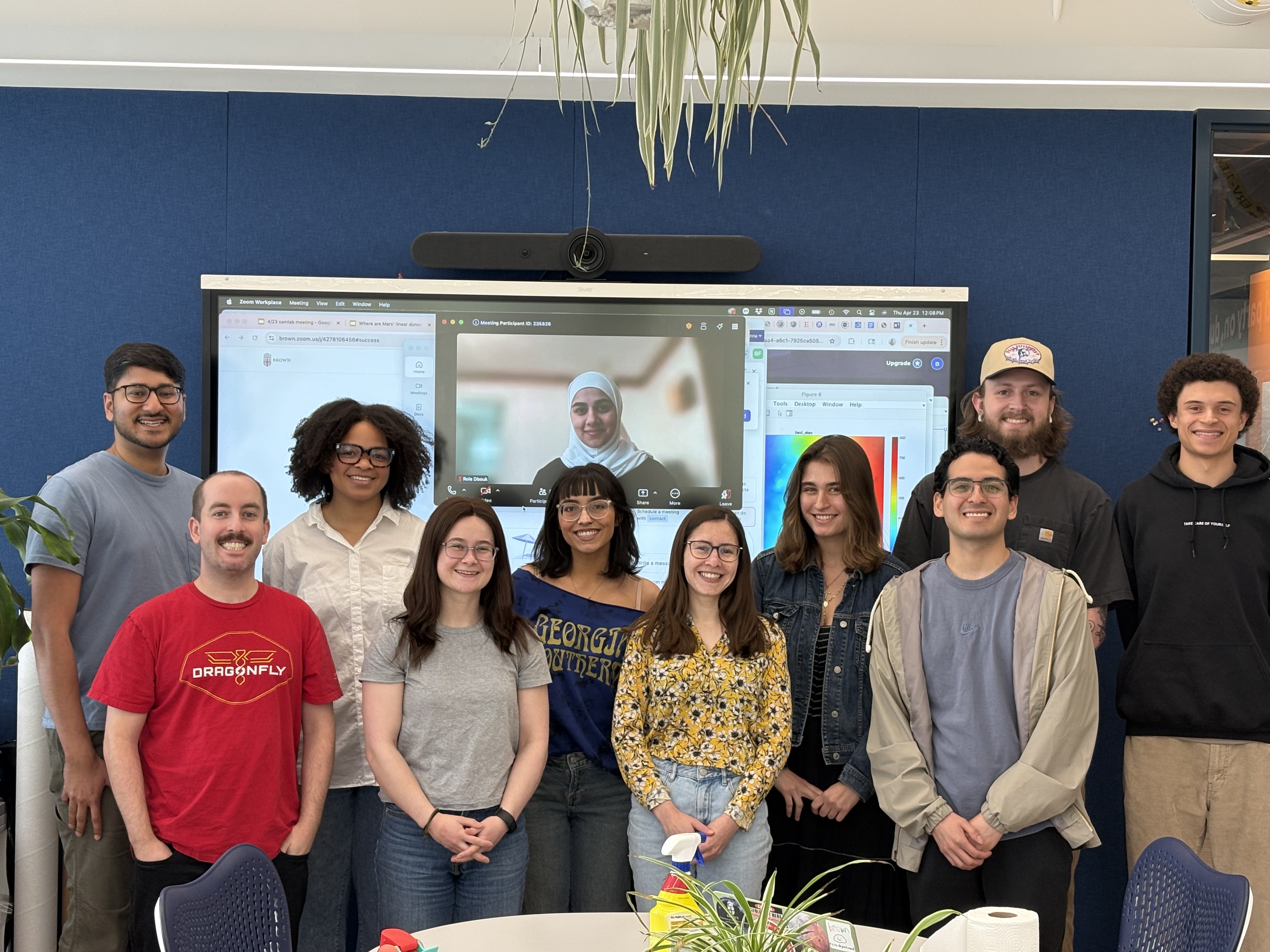
Sam Birch
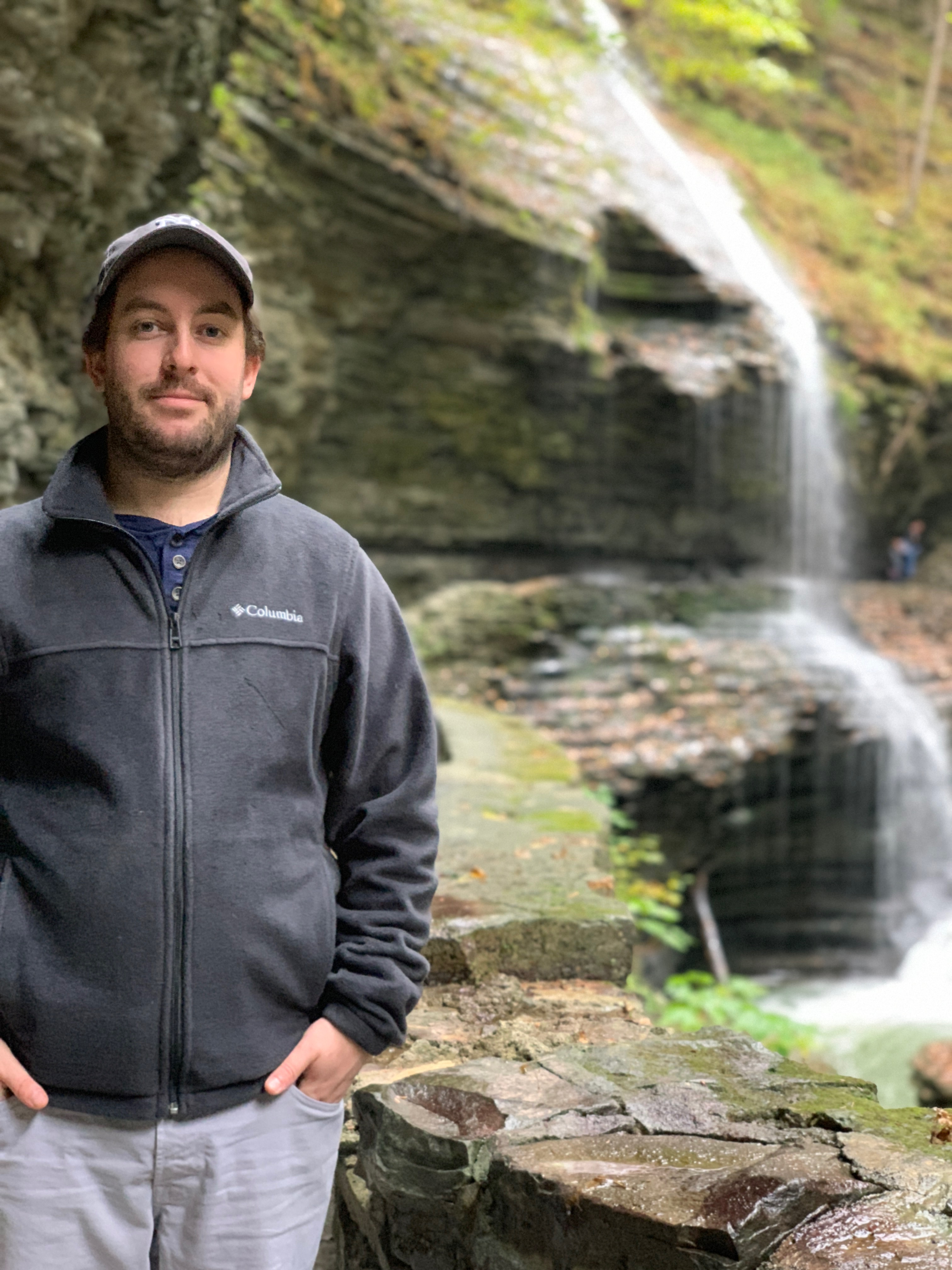
Hi I am Sam! I was born and raised outside of Winnipeg, Canada. I did my undergraduate at UC Berkeley, where I fell in love with the patterns that landscapes offer to us and the quantitative tools we can use to understand them. I then went to Cornell for my PhD where I focused a lot on Titan's lakes (but also a lot on comets, which are neat too). I then moved on to MIT as a Heising-Simons 51 Pegasi b Fellow and am now an Assistant Professor at Brown. I am interested in any planetary surface out there, as there is such a rich diversity for us to study and explore. Most of all, I love to work with fun people, and so being part of collaborative spacecraft missions that seek out new surfaces is the greatest perk of the job.
Google Scholar →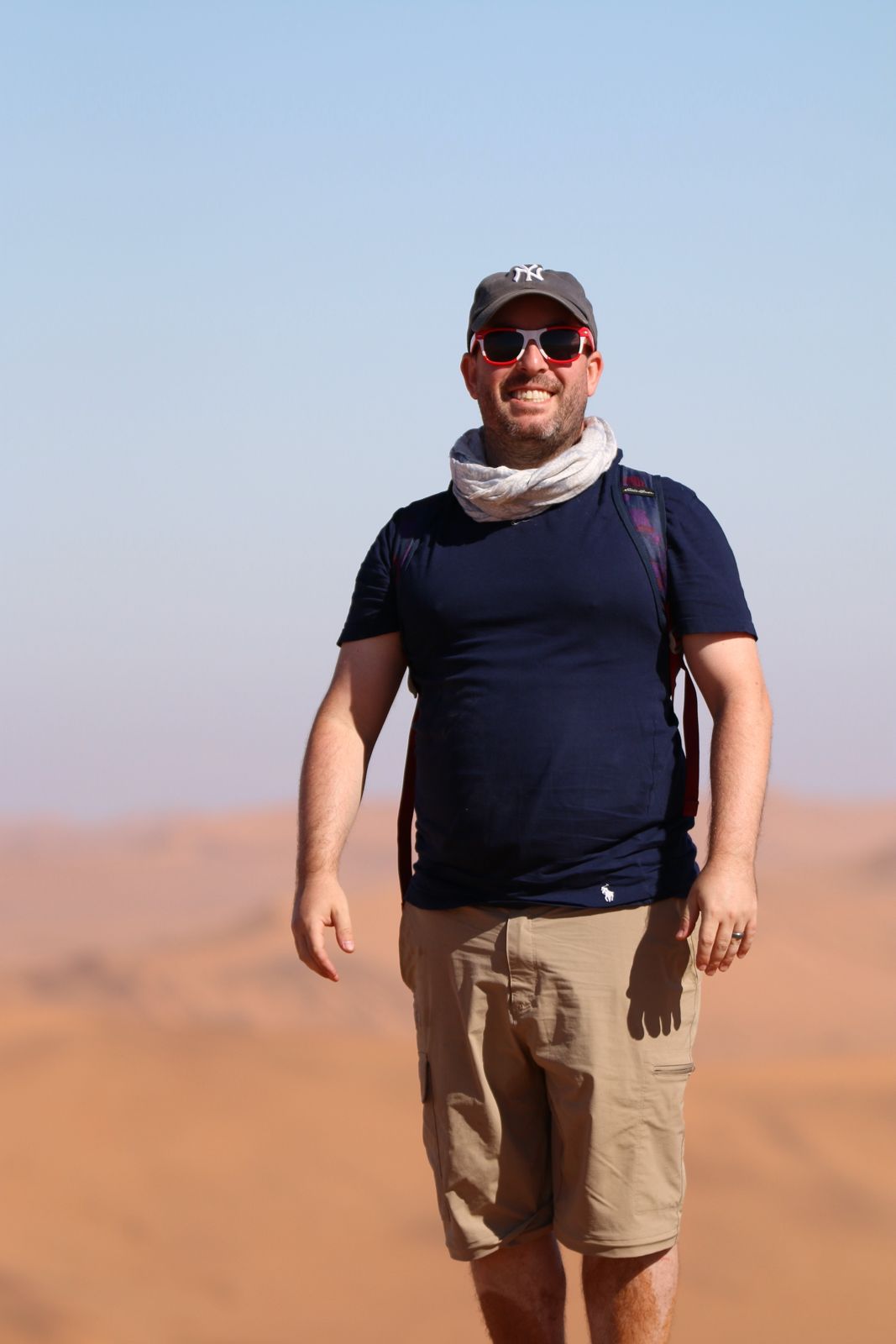
Abhinav Jindal
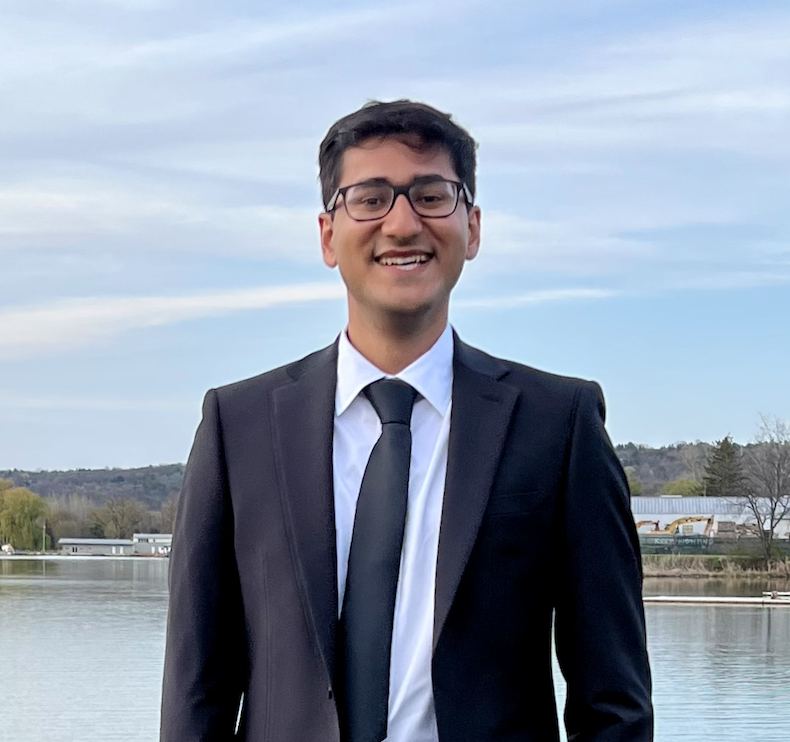
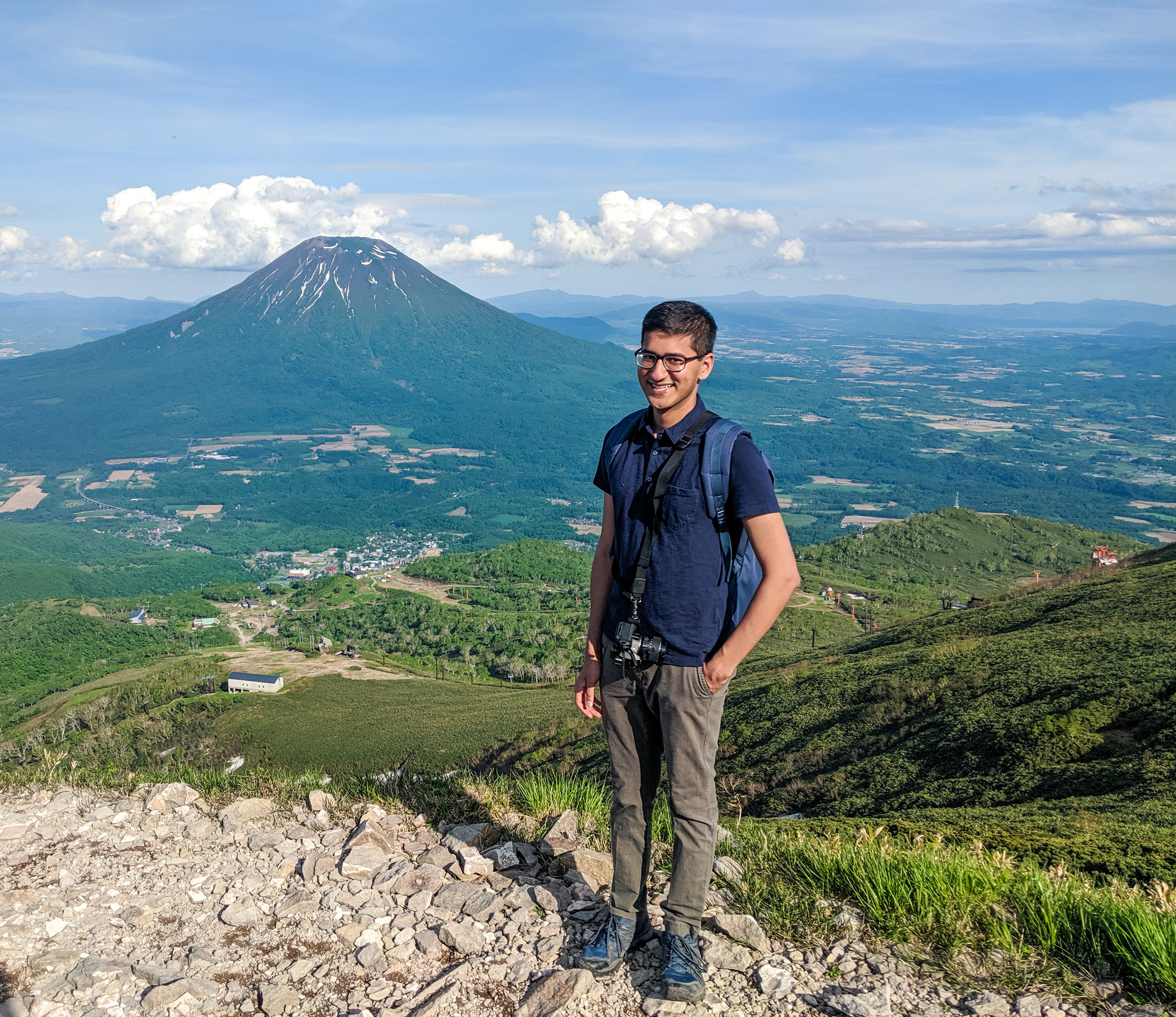
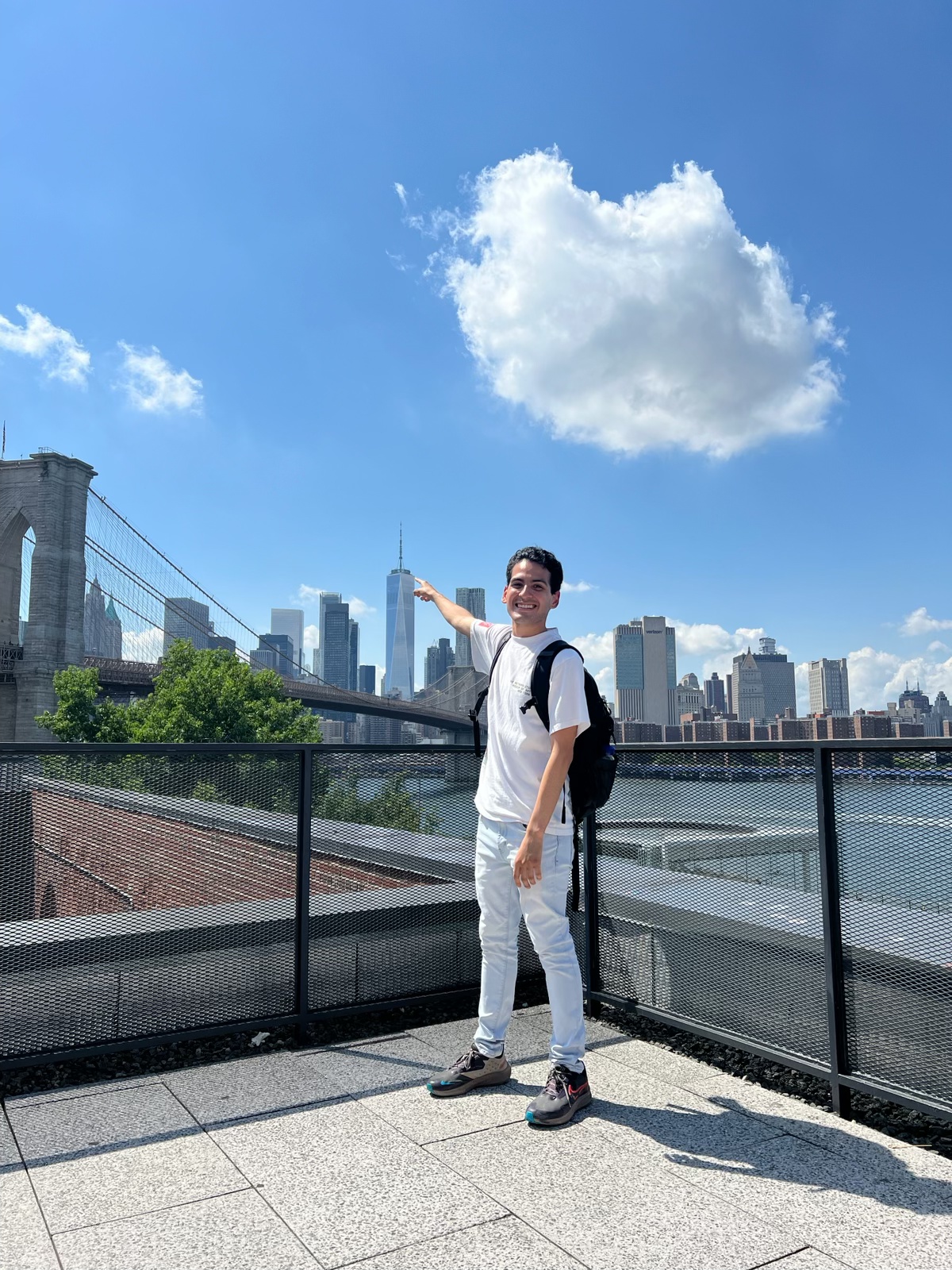
Hi I'm Abhinav and I am interested in using spacecraft observations to decipher the processes that shape the topography of planetary surfaces within our solar system. Born in Mumbai, I obtained my undergraduate degree from IIT Guwahati in 2016 before joining Cornell University where I completed my Ph.D. in Astronomy in 2023. I am now a postdoctoral research associate at Brown. My current research focuses on understanding the evolution of comet 67P using data acquired by the Rosetta mission. I am also interested in Venus, Titan, and teaching astronomy and planetary science courses. Beyond academics I love being outdoors and nature photography.
Rola Dbouk
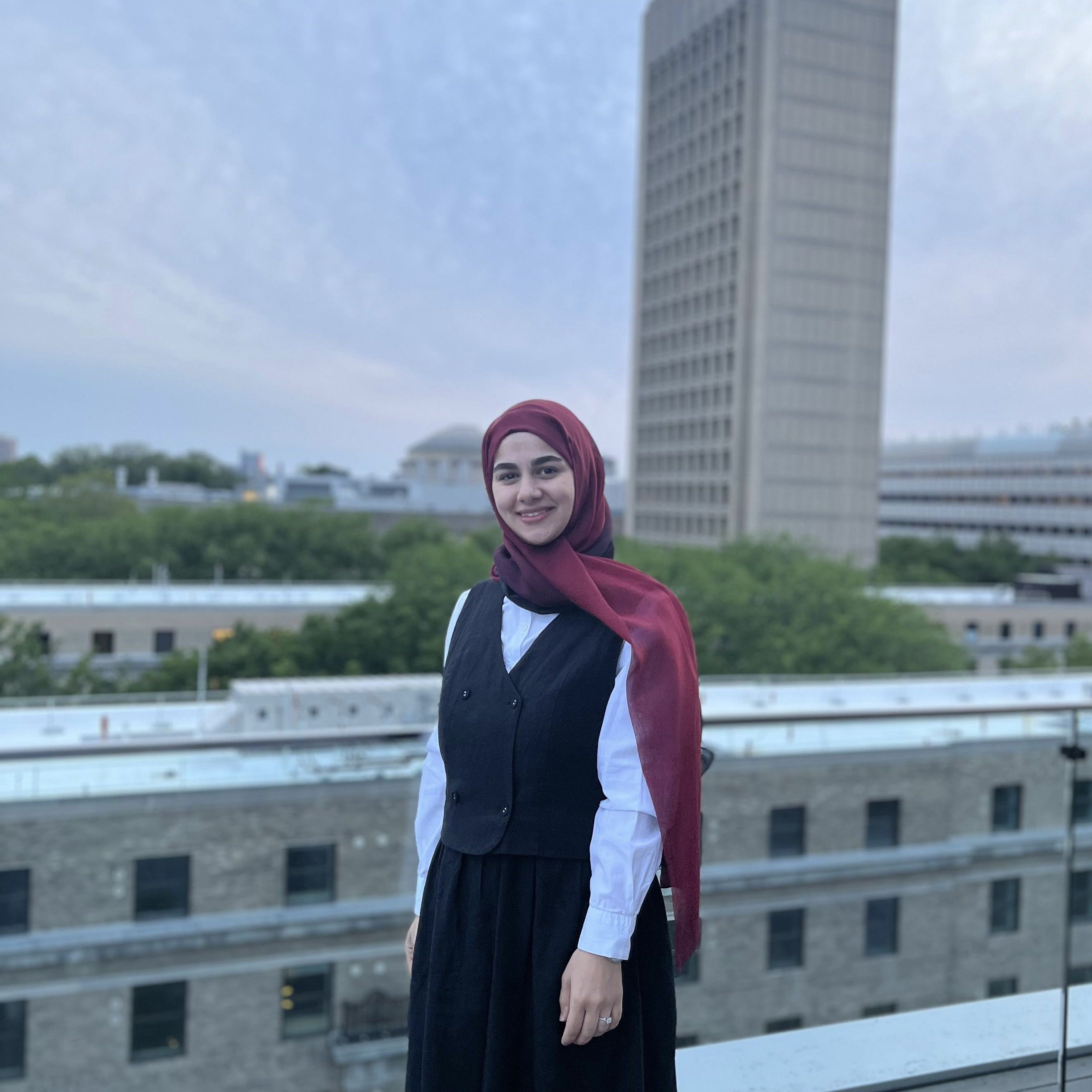
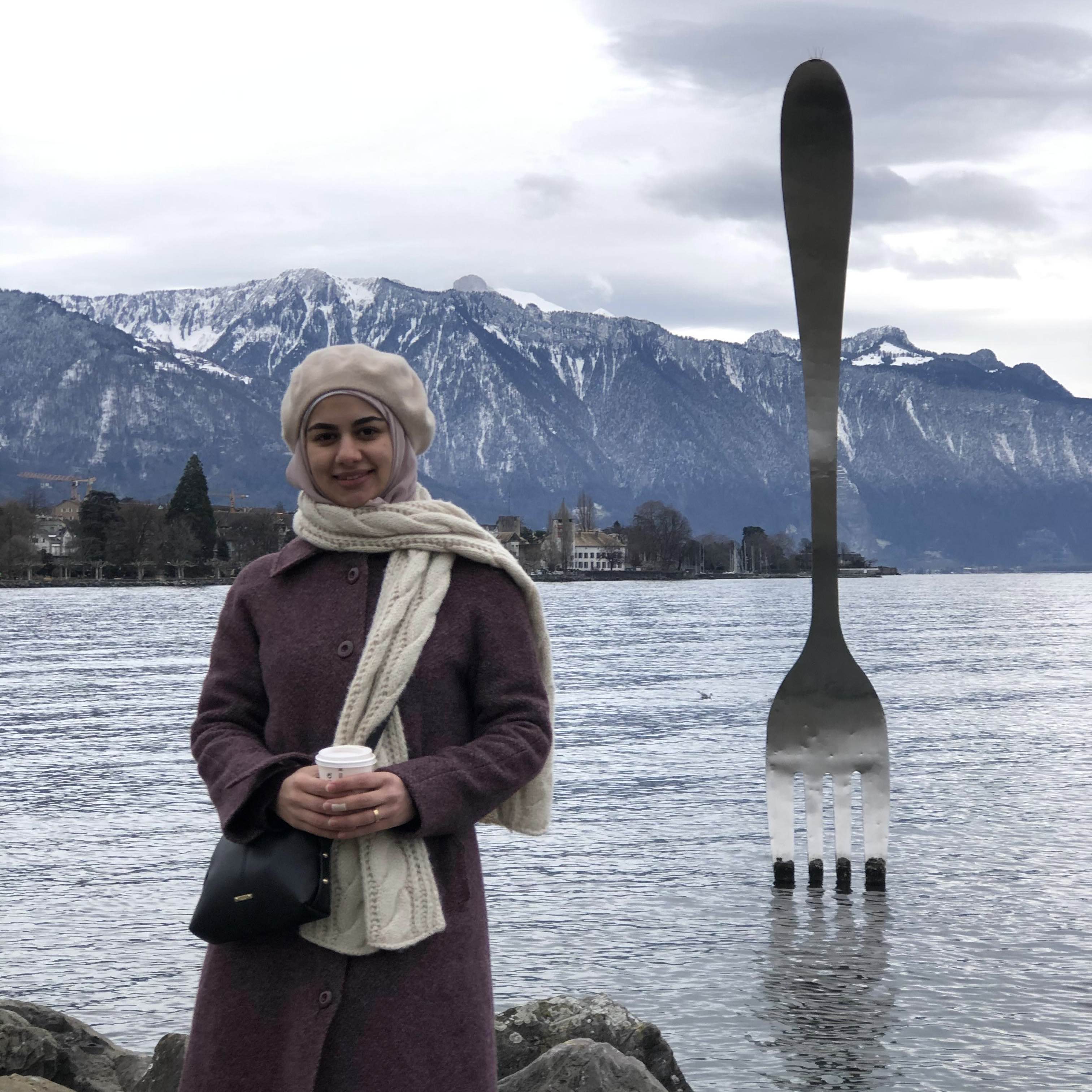
Hi, I'm Rola. I grew up in Lebanon, where I earned my B.S. and M.S. in Physics from the American University of Beirut. I then moved to the U.S. to complete my Ph.D. in Planetary Science at MIT, studying tidal evolution of planetary satellites, spin–orbit coupling, and their role in shaping planetary obliquities — helping explain Saturn's large tilt and the formation of its rings. As a planetary dynamicist, I'm fascinated by how the motions of solar system bodies influence one another. At Brown I focus on cometary dynamics under nongravitational accelerations and Titan's evolving climate and orbital behavior. Outside academia, I enjoy time with family and friends, walks, and exploring new places.
Colin Marvin
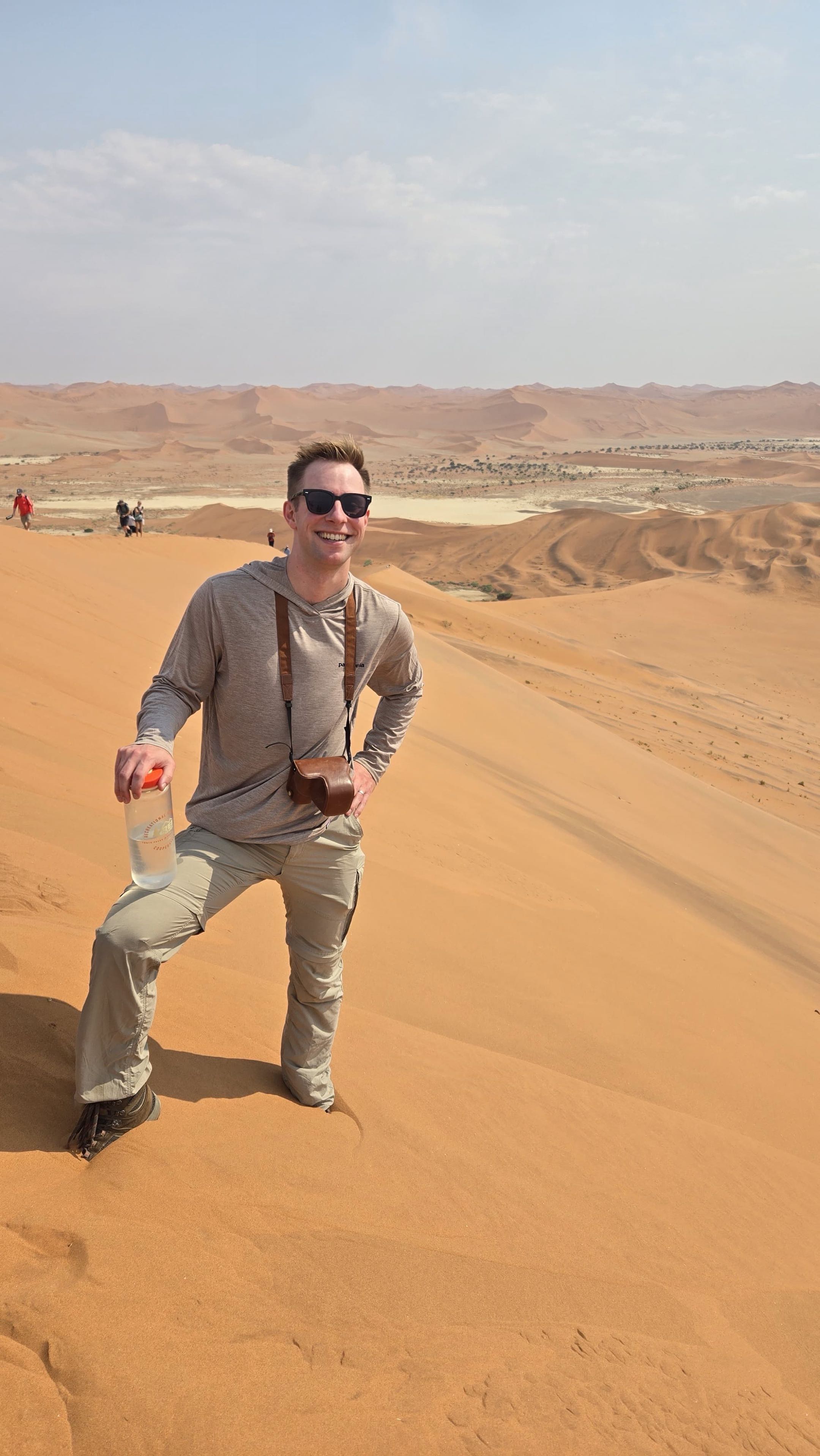
Hello! My name is Colin and I am from Washington. I am a geomorphologist who studies sand and sand dunes on planetary bodies throughout the Solar System. I attended Arizona State University from 2017 to 2021 and obtained a Bachelor's in Geography while studying mathematics and GIS. In 2026, I completed my Ph.D. in Geological Sciences from Stanford University where my research focused on how environmental signals are recorded in windblown dune fields and sand. As a postdoc at Brown University, I seek to combine theory, remote sensing, modeling and field observations to interrogate the record of river-dunes interactions in the Namib Desert as an analogue for Saturn's moon Titan. Outside of work, I enjoy running, traveling, and following soccer.
Julia Miller
Hi I'm Julia, and I'm a PhD student interested in comets, icy moons, and Kuiper Belt Objects in the context of planet formation and evolution. I have an undergraduate degree in Astronomy and Geology from Cornell University and was an intern at NASA's Jet Propulsion Laboratory from 2019–2023. I am particularly interested in the relationship between interior and surface processes on icy worlds like Pluto and Titan, and how clathrates and other volatile ices affect subsurface heat transport and observed surface morphologies. I also model volatile transport and loss for comets and KBOs. Outside of work, I enjoy baking and running, am an avid reader of science fiction, and have a pet rabbit named Cassini.
Sara Cuevas Quiñones
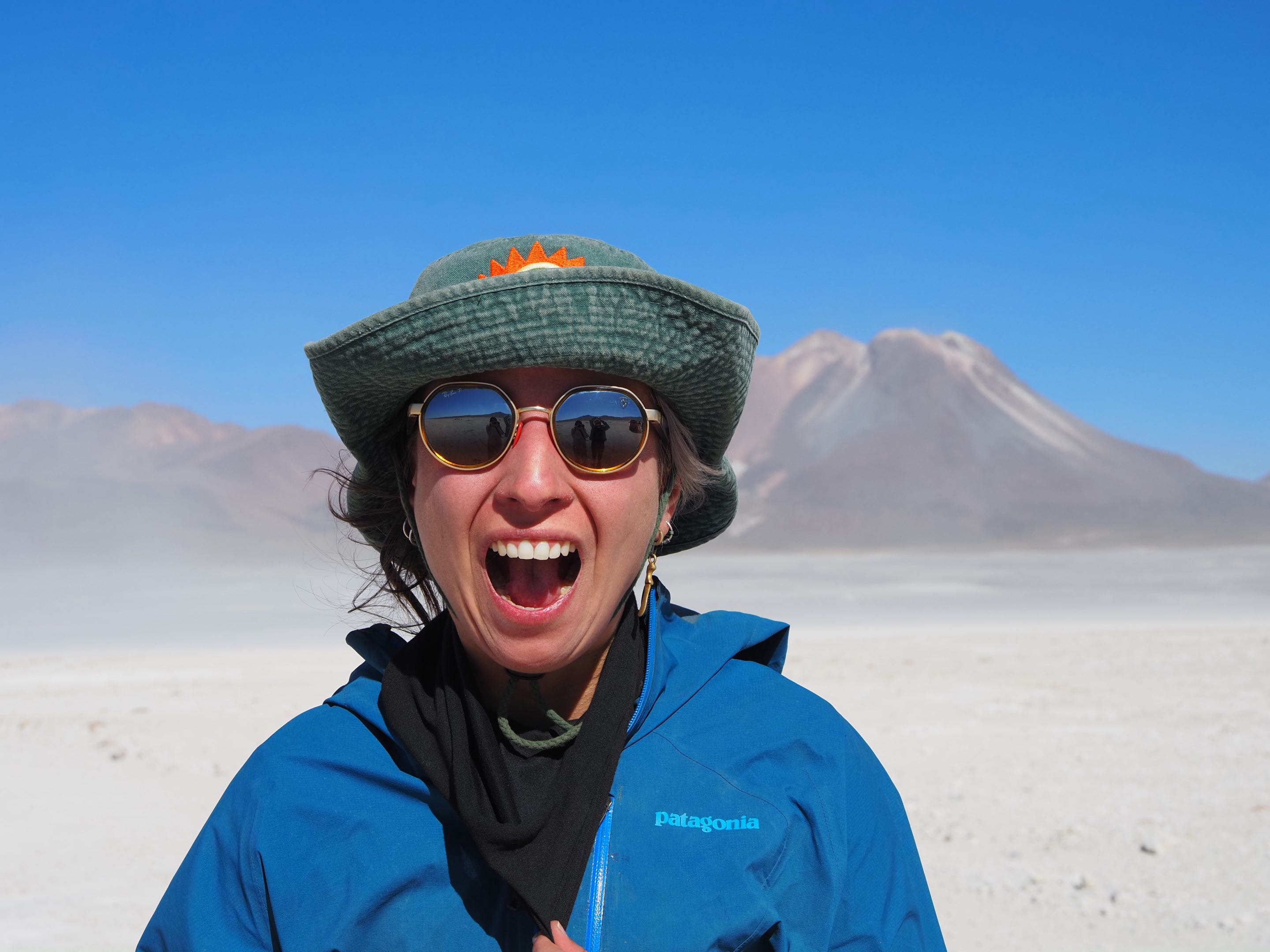
Hey! My name is Sara, I am a PhD student at Brown University. I lived in Puerto Rico my entire life before attending Purdue University for a bachelors in both Physics and Planetary Sciences, with a minor in Philosophy. In a broad sense, I am interested in comparative planetology through a geomorphological perspective. With the Birch group, I do laboratory experiments to understand how fluids mix on Titan, with the aim to understand why Titan lacks river deltas. Outside academics, I love live music, Latin American literature, and any outdoor adventure. In 2025 I was in Chile as a Fulbright US Research awardee, studying eruption risks in the Central Andes and Altiplano-Puna regions.
Eads Fouché
Hey, I'm Eads, and I am a first-year graduate student. In my undergraduate at Amherst College, I studied geology and studio art. I am passionate about geomorphology, data visualization, remote sensing, and creating scientific visualizations that tell compelling stories about various worlds. At Brown as an REU, I worked on constraining comet 67P's surface evolution and making visualizations that convey the comet's erosion and deposition patterns — work I'm continuing now as a grad student. In my free time, I love building ceramic sculptures, skiing, playing soccer, and hiking.
Lex Schultz
Hi! I'm Lex and I'm a first-year PhD student at Brown University. I grew up in the foothills of North Georgia and got my B.S. in Earth and Planetary Sciences at Yale University in 2024. During my undergrad, I tackled projects from using seismic data to investigate the Cascadia Subduction Zone at Yale to modeling the growth of volcano-tectonic features on Venus at the Lunar and Planetary Institute. At Brown, I work in the Huber lab and the Birch lab on the evolution of icy moons. I'm known as a lover of rock cubed: rocks, rock music, and Dwayne "The Rock" Johnson. Outside academia, I enjoy local house shows, baking treats from my Cherokee culture, and watching disaster movies.
Brianna Fernandez
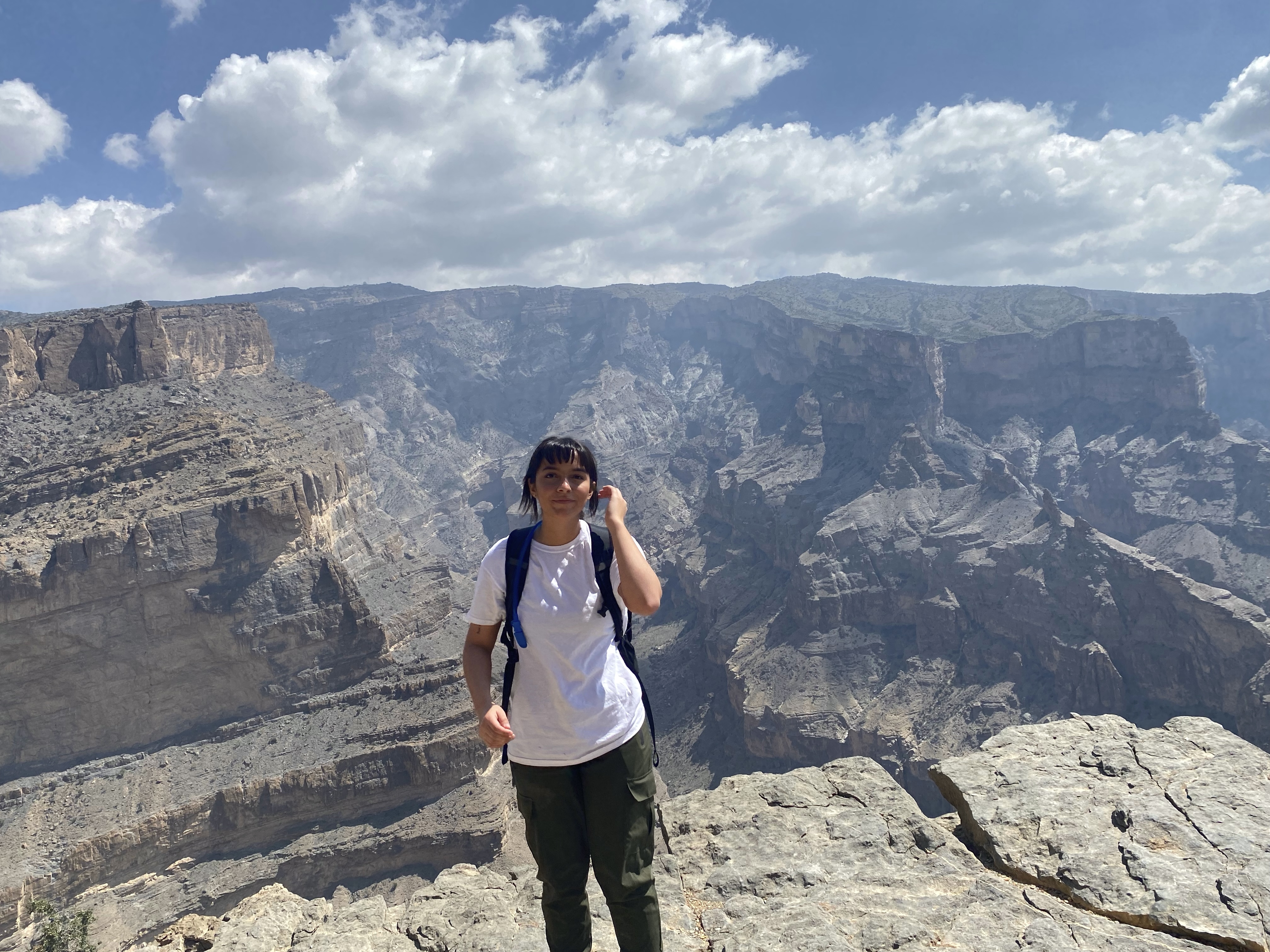
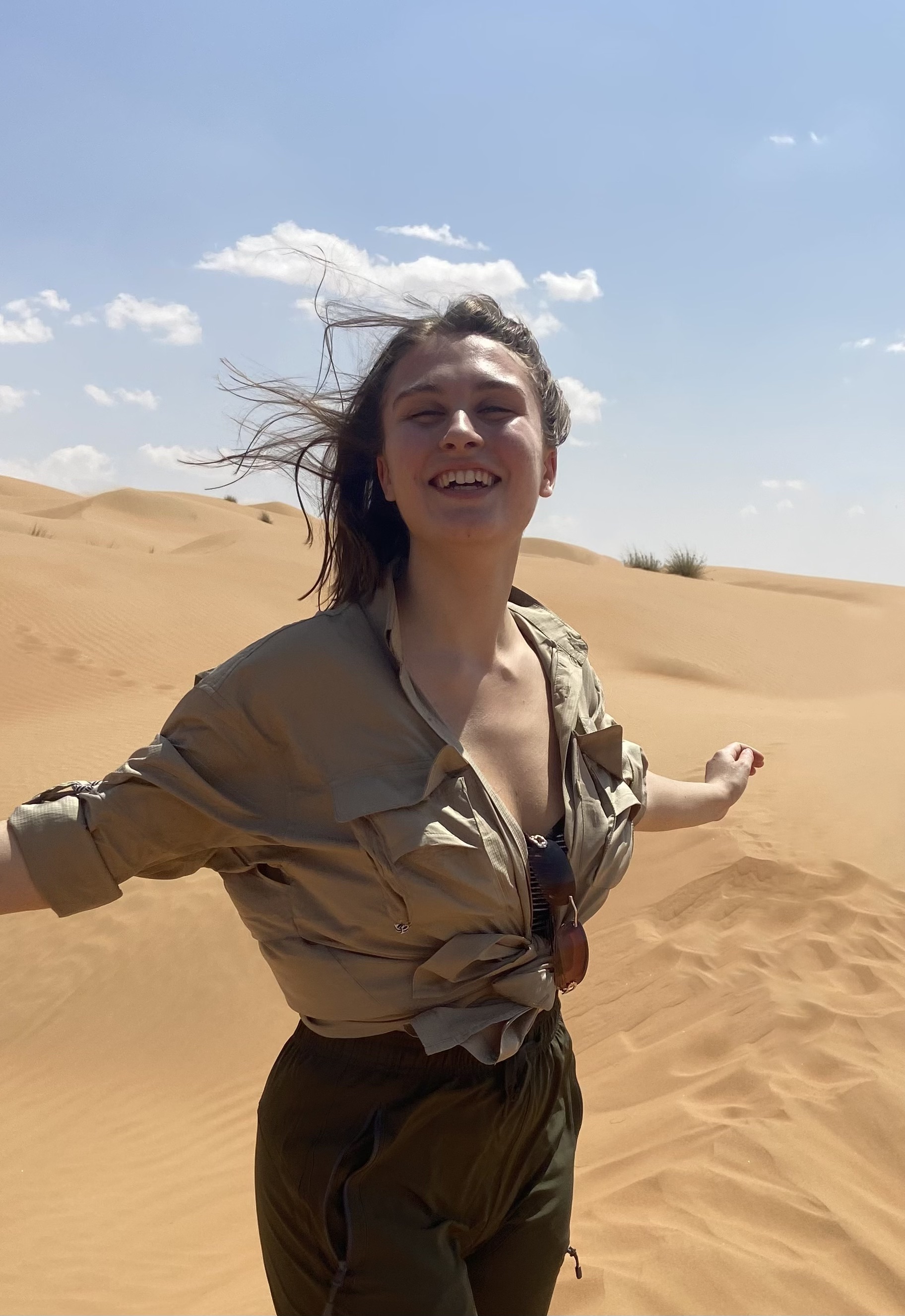
Hey, I'm Brianna [bree-anne-uh]! I grew up in West Virginia before getting my BS in Astronomy and Earth and Planetary Sciences from Yale University in 2023. I'm a PhD student passionate about the evolution of planetary surface features and interiors and the interplay between them. With the Birch group, I model the morphodynamic interactions between dunes and rivers in Namibia's vast sand sea — a terrestrial analog for Titan. While rocks and dunes and planetary bodies are important to me, I also love to play my viola in orchestra, my violin privately, and spirited games of tennis. You might also find me on long hikes or rereading The Count of Monte Cristo in a cafe.
Anthony Merchan
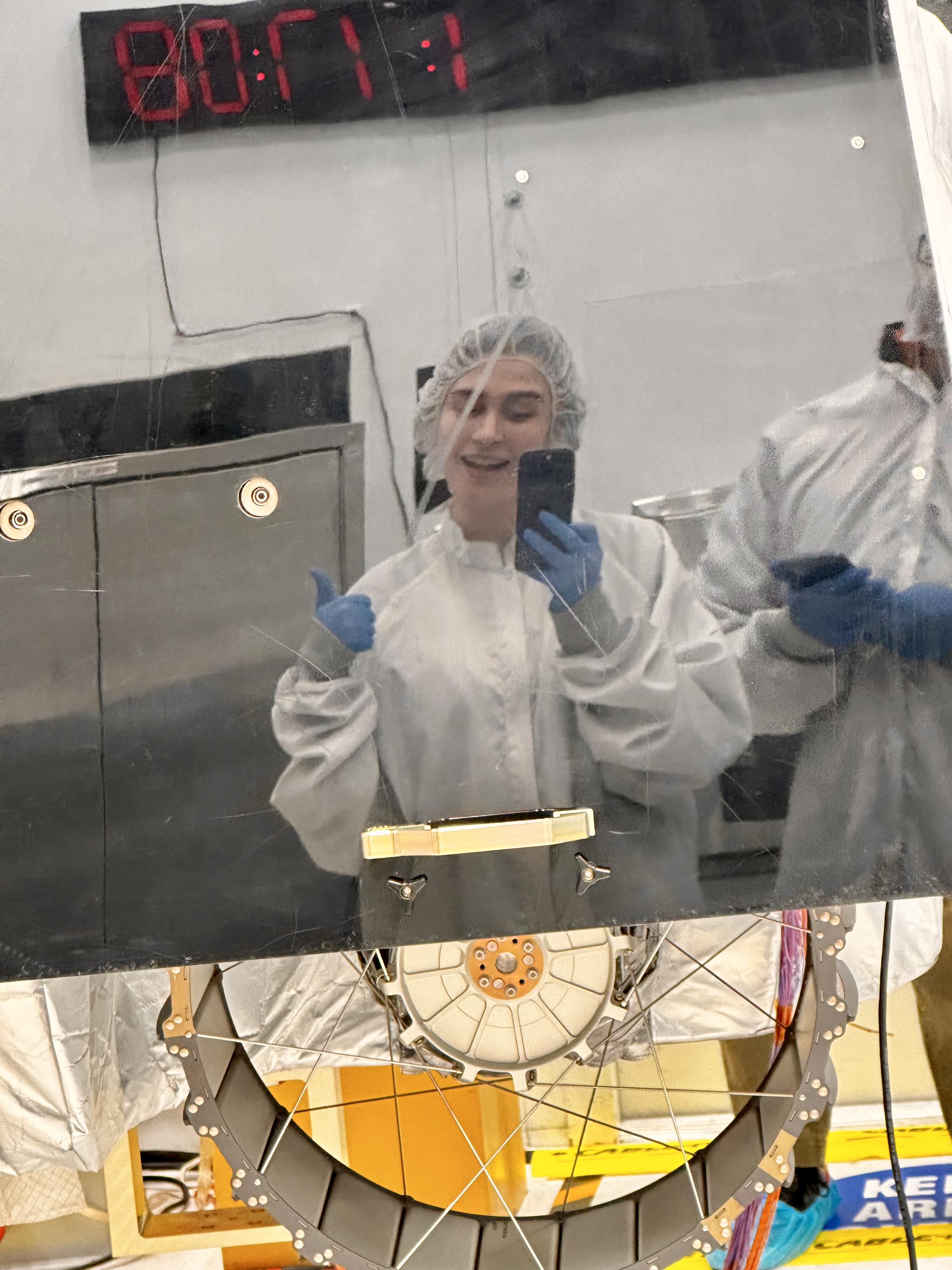
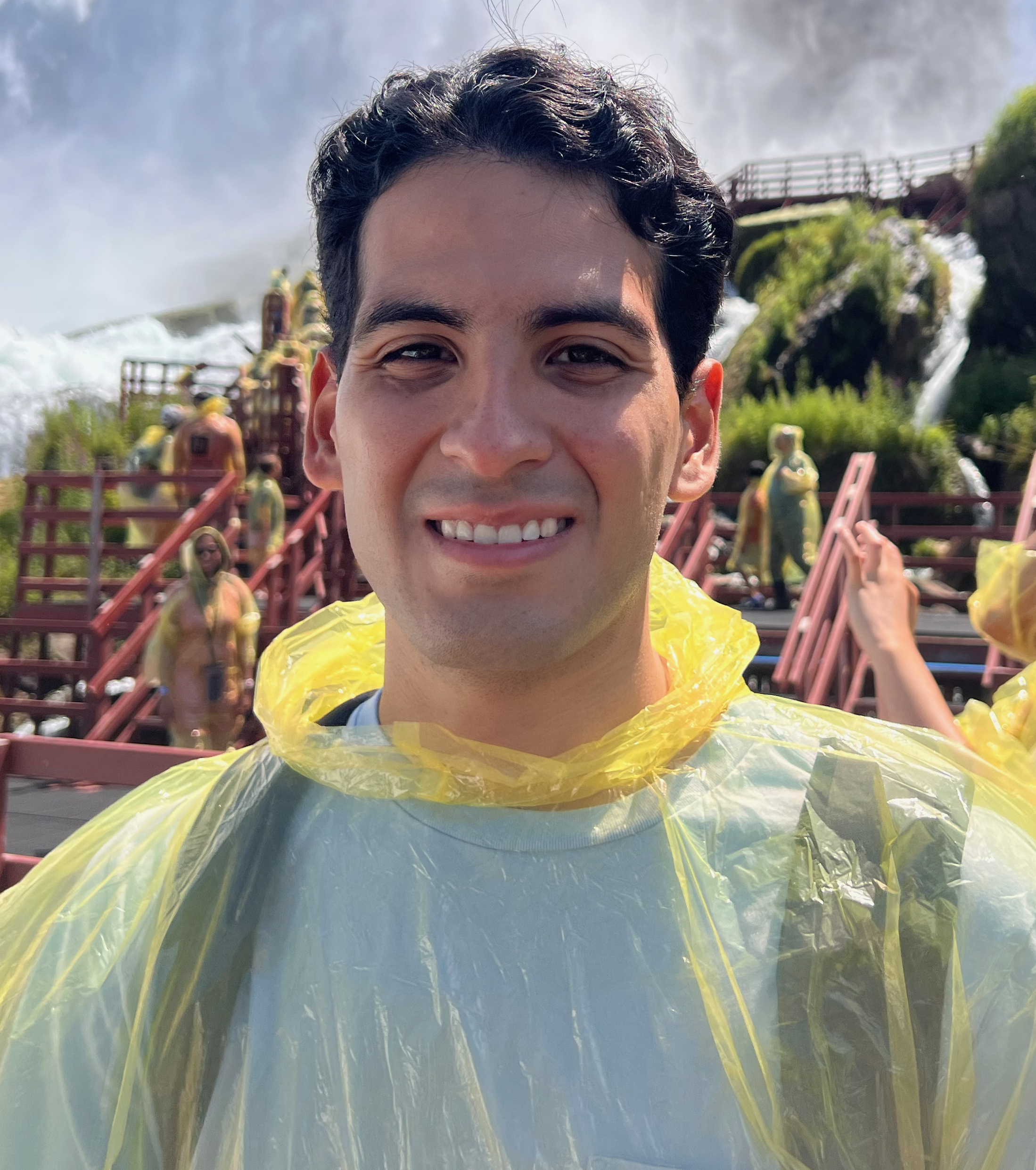
Hi! I'm Anthony! I grew up in Chicago and got my BS in Aerospace Engineering from the University of Oklahoma, and I'm now a first-year graduate student. Previously, I worked on the Mastcam-Z camera calibration for NASA's Perseverance Rover at Cornell and on ISR systems at MIT Lincoln Laboratory. I'm interested in planetary data systems and developing software tools that help scientists analyze and visualize spacecraft data. With the Birch Group, I'm developing a new Small Body Mapping Tool to map and analyze geological features on asteroids and comets. Outside of research, I enjoy running, biking, and building LEGO sets (I've even built the LEGO Titanic!).
Matt Moser
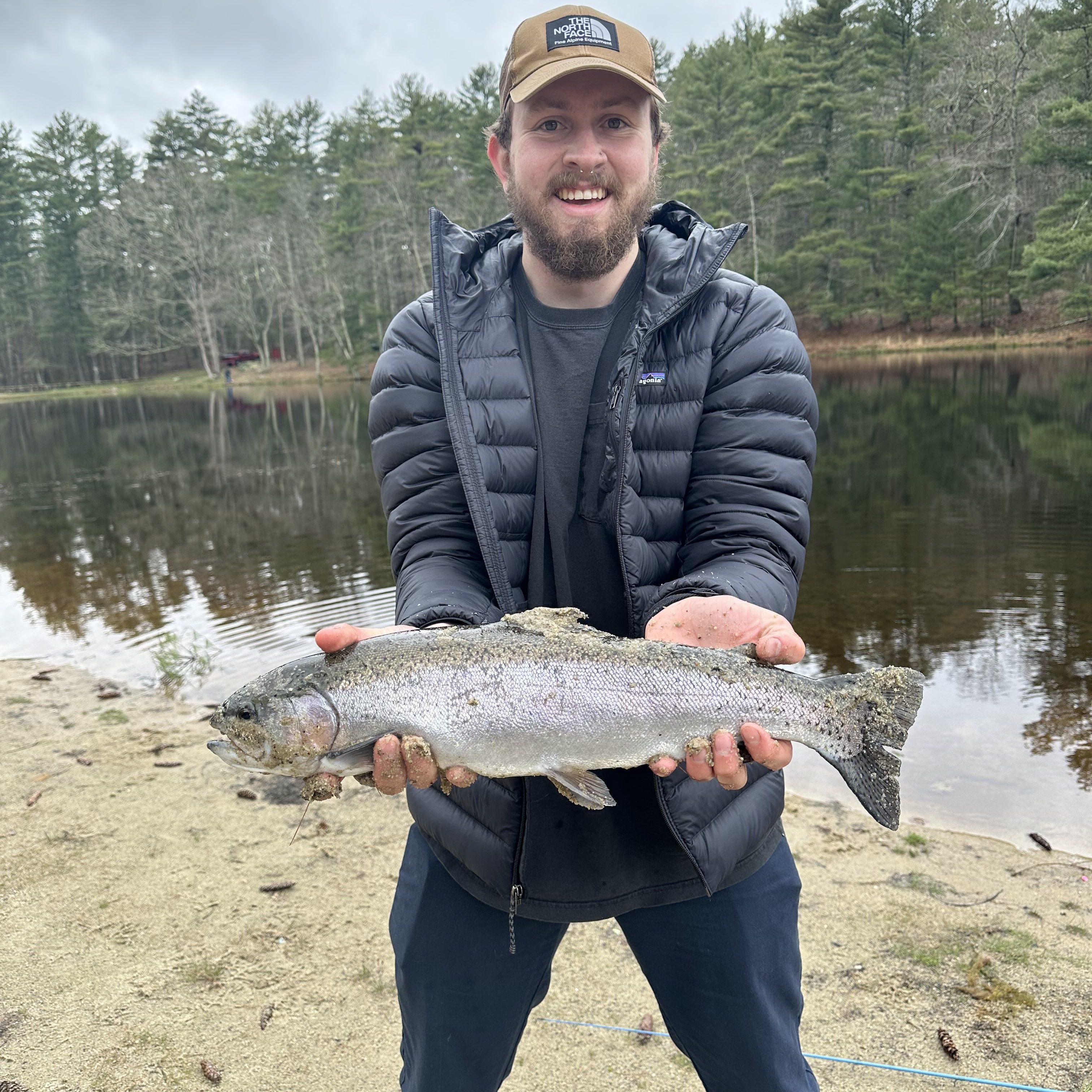
Hi I'm Matt, and I am in my third year at Brown University studying Geophysics. I am most interested in icy worlds like Titan, Enceladus, and Jupiter's moons, and remote sensing techniques. I am working with Abhinav to understand outbursts on comet 67P. In my free time, I love fishing, building aquascapes, working on my truck, and exercise. When I'm not doing one of those, I usually play video games and hang out with my cats.
Asha Davis
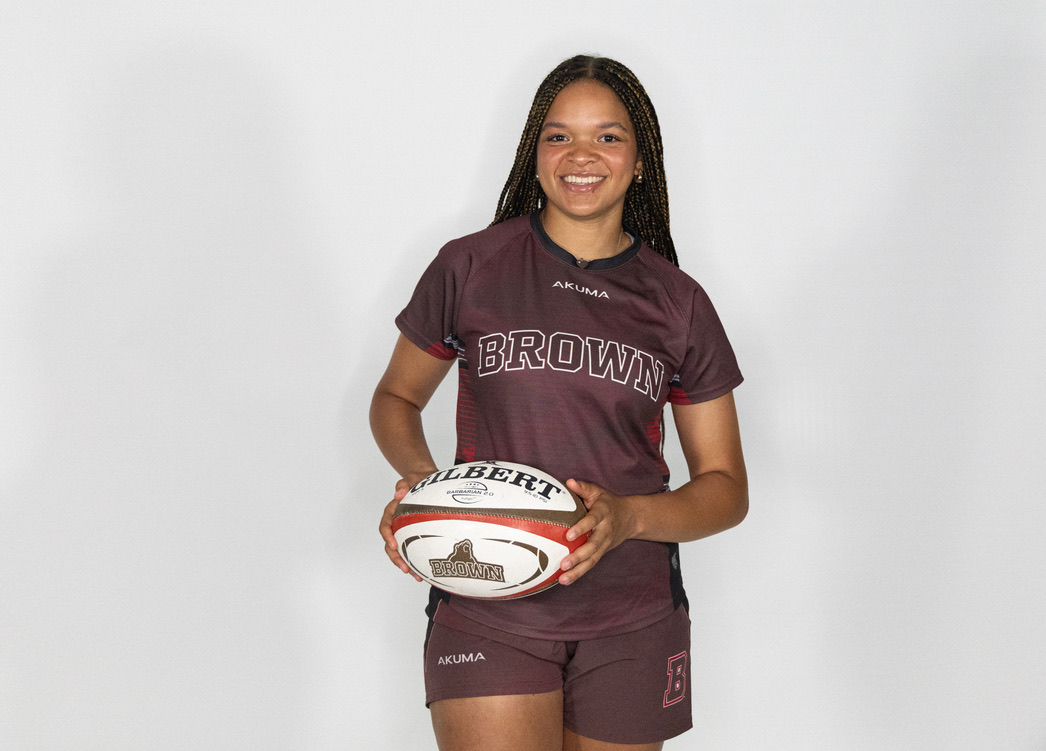
Hello! My name is Asha. I’m a third-year undergraduate from Chicago, IL, studying Astronomy & Astrophysics and Sociology. In the lab, I work with Sam on a Dragonfly-related project that uses Cassini SAR observations and correlative imaging from Namibia to examine how surface characteristics influence navigation and landing decisions. Outside of the lab, I’m a co-captain of Brown’s women’s rugby team, play the cello, and work as an academic coach for student-athletes and first-year students. In my free time, I enjoy watching sports, listening to music, and trying new recipes.
Chris Barney
Hi, I’m Chris! I grew up in Massachusetts and am currently a second-year undergraduate at Brown University studying astrophysics. I’m primarily interested in stellar astrophysics and cosmology, but I’ve recently expanded into planetary science through remote sensing and satellite imagery to better understand landscapes on Earth and other worlds. With the Birch group, I’m investigating fluvial-aeolian interactions in the Namib Desert as a terrestrial analog for Titan, using remote sensing and geospatial analysis to explore how changing climate influences dune-river systems. Outside of research, I enjoy theater, stargazing, and advocating for men’s mental health through my nonprofit organization, MenTell.
 Millie
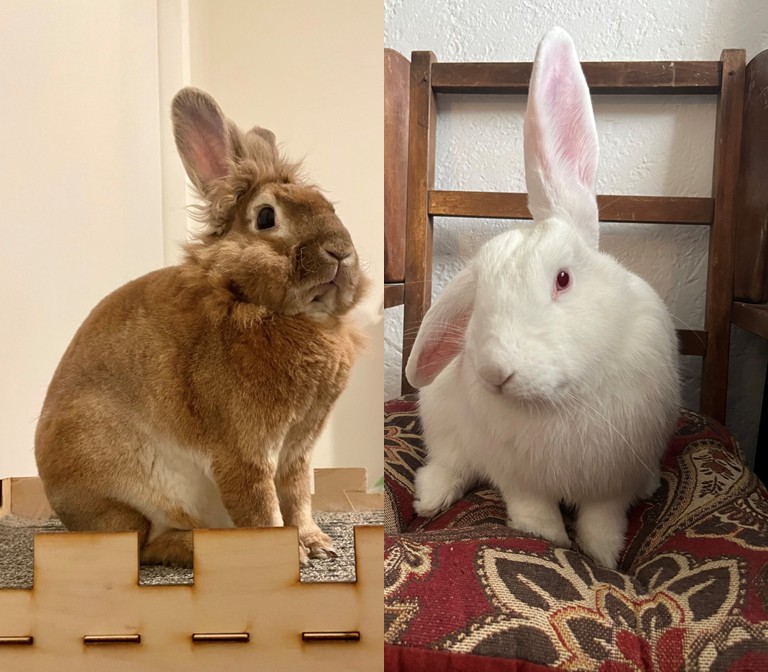 Cassini & Galileo
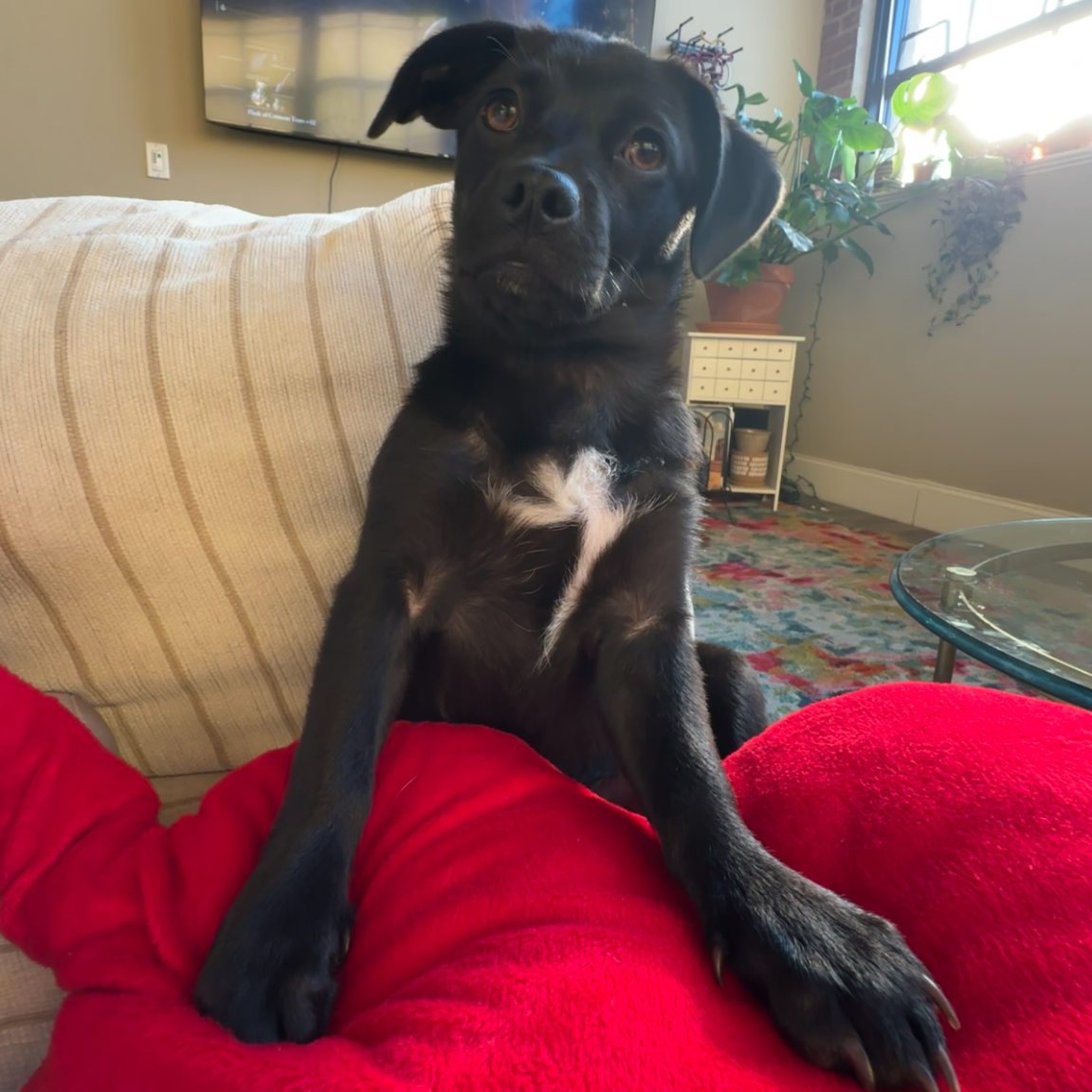 Olive
Olive
SAMLAB group code of conduct & expectations
The goals of the SAMLAB research group are to conduct high-quality research related to planetary surface processes, and to prepare members for independent careers in academia, industry, public service, or any other field of interest. Group members all have their own unique strengths and weaknesses, as well as their own personal career goals. Group members, whether they be students or postdocs, are asked to set their own goals for research and professional development. Aided by senior group members, DEEPS faculty, and collaborators, Prof. Birch will provide advice, guidance, and lay out a path for each group member to help them reach their own goals. Expectations for each group member will be clearly set at the beginning of each semester, and regular weekly meetings will permit consistent evaluation of goals and deadlines. In addition to aiding group members in reaching their professional goals, the SAMLAB research group is also dedicated to creating well-rounded, supportive, and empathetic members of the planetary science community.
Our research group is collaborative, welcoming, and inclusive. The group is a safe space, and all members are strongly encouraged to provide feedback and suggestions to keep it so. We collectively recognize that all members are resources to each other, and we endeavor to be diverse and inclusive across as many axes as possible to enable a welcoming and resource-laden environment. All group members should feel free to seek advice and help (e.g., research techniques, coding, software usage) from other group members, Prof. Birch, external collaborators, or other DEEPS faculty, researchers, students, and/or postdocs. Group members should also feel free to discuss the level and nature of advising they receive, as feedback is always welcome and encouraged.
Importantly, there is zero tolerance for any form of discriminatory behavior or bullying. This includes, but is not limited to, discrimination based on race, ethnicity, sex, gender identity, sexual orientation, disability status (visible or otherwise), age, cultural background, nationality, military status, financial status, marital status, parenthood status, religious affiliation, political viewpoint, discipline or field, and career experience, along with intersections of multiple identities. This also covers belittling, gossiping, bullying, or any other behavior meant to make another group member feel “less than.” Instead, as part of the group, you are expected to actively work to ensure everyone is given the full opportunity to take part in research and report any behavior to Prof. Birch and/or other appropriate authorities on campus. With that said, we are also all human beings and, despite our best efforts, miscommunication and mistakes will happen. If someone points out a mistake you have made, I ask you to try to not be defensive and to take the opportunity to learn and grow. Similarly, if someone does offend you, try to take the time to explain why and provide an opportunity for growth and learning (of course within reason, sometimes reporting to higher ups immediately is more appropriate). Mainly, just try to be patient and excellent to each other, assume that they have your best interests in mind, and try to always have fun with your work so that we can do the best possible science together.
Note: this is a living document that will change through time with input from all of you. This document was last updated April 16, 2025.
Expectations & Key Points
- Consistent research progress and professional development are expected:
- I expect each group member (and myself) to strive to get better every single day.
- I do not expect a linear progression of research (as that never happens anyways), but instead expect everyone to put in our best efforts to grow.
- This involves pushing through research obstacles, frequently reading any papers relevant to your research, developing writing and presentation skills, working with fellow DEEPS students or group members, developing teaching material for TA work, etc.
- Setbacks are expected as we are all growing and developing. It is important to remember that such setbacks are completely normal, and will occur throughout your career, no matter what path you choose.
- What is important is that you work with me (and others in the group and in DEEPS) to get through those setbacks.
- It is important to note: it is on you to bring these up with me in the first place. I want to help, but can’t do the entire project for you, there has to also be initiative on your end to get through the setback. Simply ignoring a setback, hiding or omitting research issues, or quitting on a project is behavior we would need to address directly, and if it continued it could become a reason to reconsider whether the group is the right fit.
- Each group member and I will have one-on-one meetings every week to help ensure consistent forward progress. You are expected to come prepared for those meetings, be on time, and ready to share with me what you have worked on, struggled with, written, successfully implemented, etc over the previous week. If you have to miss a given meeting, try to give me some notice. Also be aware that for the first 5 mins, you should be patient with me as I boot back up on your project. Some important things to remember:
- It is totally ok to be at the same place as you were the previous week in terms of results. In such a case, walk me through the roadblocks that popped up, and the things you tried to get around those. Then, together, we can find the next path forward. Research is an adventure, and neither you nor I will always know the “right” path forward, but together we will get there!
- Quantifying “progress” is inherently hard, but will be done together between us. If you feel like you are not making progress, make this clearly known to me in these meetings, and make it a focal point of our discussion. You and I can then decide together what progress looks like by laying out markers for the specific project of concern (e.g., this block of code is written by x date, the methods section of the paper is complete by x date). We can go as granular as needed so that it is clear what “progress” means for each of you individually.
- Note, that this won’t be the same for everyone – different projects may go quicker, people are at different career stages and may make more outward “progress” than others, and some projects just “click” with some people. Try not to ever compare yourself to others (that will only make you more stressed or anxious!). Instead, remember that what you are doing has value and I only ask for you to look inward and give your best effort every day.
- It is okay to miss a meeting from time-to-time, and we may cancel meetings as well if you’d rather just dig into your research (i.e., we don’t HAVE to meet every week). But if we are scheduled to meet, and you consistently miss meetings, this would be a cause for concern and something we would need to work through together.
- If a given project just isn’t working, then you and I can have conversations. I may push you to drop a project, and it is okay for you to push back! I want you to dive down rabbit holes and discover new things. But at a certain point, sometimes, it may also be better to shelve something and try something new for a bit, rather than spin your tires in place.
- This, again, is a one-on-one decision made between you and me (and your committee where appropriate) and I ask that you trust me when these conversations are had so that we can move toward something tractable together (at least temporarily).
- Acting ethically in your science is also a no-brainer and non-negotiable. Be open with your data and code, make clear what your assumptions are and what data you are using, and never hide anything in your work. We are lucky to have jobs that let us explore the solar system, and there is no need to hide or lie about your work. Any violations will be handled according to standard Brown policy for students and staff, and will be reported.
- Reading papers is critical – I expect graduate students and postdocs to read frequently:
- Reading papers helps you familiarize yourself with the field, and will allow you to learn what questions to ask and why.
- The average number of papers will vary in time and depending on your project. Early on, reading more papers is necessary. The key is that you always stay up-to-date on the current literature in your field – if that requires reading more, then so be it.
- It’s also just the right thing to do – if we want people to read our work that we put in all this time to do and write up, let’s also read theirs.
- I expect you to have published three papers throughout your PhD:
- This is the absolute minimum.
- By the time of your defense, one of these papers can be very near completion rather than fully published and peer-reviewed.
- But you should aim higher than three if you want to be competitive in the academic job market – and I will push you to do so throughout your time here.
- If academia isn’t for you, first we have those conversations throughout your PhD, but then we also find new goals to push to.
- Again, the aim is to make you competitive for whatever job you seek (e.g., if you want to aim for a tech job, we may pick projects that are coding heavy and have software release goals).
- Critical feedback is necessary to grow as a scientist, and it will happen:
- It may not always be nice to hear, but know that it is coming from a place where I really really really want you to thrive and succeed.
- It will never be personal, but instead focus on ways to improve your research or on skills that are needed to be worked on and improved to help your development.
- Remember: you, your mental health, and professional success are always my top priorities, and so any negative feedback will be delivered with respect and care.
- Feedback goes both ways – I desire feedback and criticism:
- If there are ways for me to better help you, it is important for you to communicate that with me.
- Each advisor-advisee relationship will be unique, so let me know how best I can help you. If I'm falling behind, I want to be told what can change so that I can best serve you.
- Do you require more one-on-one time? Or do you want to be given room to explore a given idea? Is there a collaborator you want to make contact with so that you can get better advice on a specific aspect of your research (advice I may not always be able to provide)?
- Open communication, patience, and honesty are all key. I expect that out of all group members, and you should expect the same from me.
- I won't always provide feedback immediately (e.g., give paper comments), but promise to try to do so at least within 2 weeks, if not earlier:
- Reading your work is one of the joys of my job, so not doing it quickly isn't because I don't want to, but because I'm being pulled in multiple directions.
- Just know that the bigger the ask, the longer it may take for me to get to it (e.g., responding to an email will always be quick, while reviewing a massive proposal may take me a bit longer).
- If you don't get a response quick enough, and certainly within 2 weeks, you can continue to (respectfully of course) push me to get feedback.
- Sometimes things also just get missed! So, reminders are very handy. Knock on my door and ask, send a Discord message, or shoot me an email. There is a lot going on day-to-day, and sometimes I too just need a reminder – so don’t worry about bothering me, you never are!
- Building collaborations across and beyond Brown is encouraged and expected:
- Early in your PhD, your first project may be an idea seeded by some idea of mine. That is normal. But over time, you are required to develop research ideas yourself. This is the most important, but also hardest thing you will do in your career. Simply, the “best” scientists ask the “best” questions and can tie multiple lines of evidence together – my goal for every group member is for you to develop into such an independent researcher by the time you leave Brown.
- Science though isn’t done in a vacuum, and collaborating with others helps develop those question-asking skills (along with a lot of other skills too). I only know a few things about a couple things, and not a lot about most things. So, I will frequently rely on collaborators and others in DEEPS to assist in advising – this also enriches your experience to see multiple views and will give you everything you need to succeed.
- It is also important to note that this won’t ever mean “pawning you off” on someone else entirely. Instead, they will just join your “advising team.”
- Of course there is a limit to building collaborations. If you decide to go off and work with an external collaborator on something completely different for your entire PhD, a discussion should be held with me as early as possible to decide either how this could fit into a Brown PhD, or if finding funding/working elsewhere would be more appropriate
- Note: it is totally okay to change your mind and decide you want to work with someone else! Things won’t always click, and interests may just change. I only ask that you just don’t go off and ghost me please 🙏 Instead, just be open and let me know, it won’t hurt my feelings!
- If we and our collaborator(s) agree, at times it may also be useful to go off and work with that collaborator at their institution for an extended time (e.g., for a week, or a whole summer). This won’t ever be required, but if a good opportunity arises, we can decide together to take it on (e.g., to run lab experiments in a lab that does those already, work in person with a collaborator for a dedicated week rather than sporadically on zoom).
- It is also important to be cognizant of your collaborator’s time. Be prepared for meetings with them, don’t miss out on deadlines, and reply as promptly as you can to requests. Simply, assume that the collaborator is part of the group, and so acting unprofessionally with/to them (e.g., being late, rude, absent, bullying) is as equally unacceptable as it would be for anyone else here in DEEPS.
- Working in the lab every day is expected in most cases:
- This is a professional commitment and job, and your success will more often than not be higher by being in the lab. Day-to-day interactions with other group members are a huge part science, and these help you grow as a scientist, think in new ways, trouble-shoot problems together, and brainstorm ideas.
- I, of course, want you to succeed in whatever way is best for you, and I am open to remote work if that’s needed (e.g., to help solve a two-body problem, to be with family). In such cases clear boundaries and new expectations will be made for each individual case.
- Being a productive researcher means maintaining a healthy work-life balance, with total work hours averaging 40 hours/week (see below):
- I will never expect you to work more than this
- There are some exceptions to this, for example, during a proposal, prior to a mission deadline, or in the leadup to a conference. It is acceptable in such cases to “make up” that missed off time during the following week.
- I do not expect you to work outside of normal working hours (nominally something like M-F, 9am – 5pm) or to respond to emails/discord messages outside of these times. You may choose to do so if that works better for you, but that is your choice.
- You may also choose to work alternative hours if that suits you, but we should have those discussions first to ensure that consistent forward progress is made. If progress is inhibited by such a schedule, sticking to a more regular schedule where you are in the office with everyone else will be asked of you.
- Undergraduates: Typically 3-4 hours/week per credit of research being taken.
- Graduate Students: Total time should average 40 hours/week. What is involved in these 40 hours? Anything that helps you grow professionally counts. Your work time includes data analyses or code writing, writing papers or proposals, reviewing papers, reading papers, being on panels, attending department seminars, attending group meetings, answering work-related emails, helping other group members with a coding question, attending or presenting at an outreach event, TAing, etc., etc.
- The general balance will change semester-to-semester and even day-to-day. The only expectation is that consistent progress and development as a researcher is made and prioritized (see point #1 above).
- Postdocs: 40 hours/week on-average, just as for grad students, without the expectation of any TA responsibilities, of course.
- It is expected that you will take vacations and days off (I certainly will):
- Similarly, you are not expected to work when you are sick – just stay home and rest, and don’t work remotely via zoom.
- Your mental health is as important as physical health. If you need mental health days off, you should take them. You don’t need to tell me either – just take what time you need to feel right. Most importantly, know that it is totally okay to not feel okay, that we are here to support you, and that resources exist across Brown for you to get the help you need (e.g., CAPS).
- I will not track your time off – if you need a break or vacation, take it. My only ask is to let me know that you will do so, so that I won’t worry/expect you to be in. And you should never check emails on vacation or when taking a break.
- This all has one caveat: vacations/breaks can be taken as often and for as long as needed so long as you are making adequate progress (which will be determined often in your weekly meetings and semesterly reviews).
- If you need a more formal break, you need to go through the proper channels at Brown by requesting accommodations from SAS. I cannot grant a leave, this must be done through the formal process.
- Always be a respectful and active DEEPS and SAMLAB group member:
- This is a professional work environment, and you are expected to conduct yourself accordingly. Bullying, gossiping, lying, or any other form of harassment are not tolerated. If any such behaviors are noticed by any member, please bring that to my attention — there will never be consequences for reporting. If needed, you can leave such information with me anonymously instead.
- Everyone can have an off day now and then, so if an issue comes up, we will sit down together and talk through the circumstances. If such unprofessional or discriminatory behavior continues, however, I would no longer be able to serve as your advisor, and the conduct may be reported to the University.
- This also holds for how you conduct yourself outside the lab, either in the department, when working with collaborators, or at conferences and workshops.
- We are also a group, and so helping other members of the group when asked is expected.
- It’s fine to say no if you are truly busy, but also keep in mind the expectation that we solve research problems together.
- This helps you develop important leadership skills and helps contribute to a collegial, supportive, and intellectually stimulating group environment.
Logistics & Other Things to Know
- Some important things to know:
- Group communications are through Discord. The Discord also has a whole channel dedicated to resources, if you have questions (e.g., how do I log in remotely through the Brown VPN), check that out first.
- All data, modeling results, and other files are stored on Millie (and OSCAR). These can be mounted to your computers (personal laptop and lab).
- You have your own dedicated lab computer and station that is yours for as long as you’re here. It is in the lab, 222 Lincoln Field.
- Everyone has shared access to the large computer Millie, which we reserve for running larger simulations or computations. Work with other members of the group to get set up on that if you want to use it. Otherwise, your lab desktop computer should handle most things on a day-to-day basis.
- Group meetings:
- Always show up to group meetings on time when you can.
- We will rotate who presents on any given week.
- Everyone is expected to participate and to do so cordially.
- This is a good opportunity to practice giving talks, share work, present papers, etc.
- Respect everyone’s time – in shared groups don’t talk over others, or take up everyone’s time. One-on-one meetings are separate, and group meetings are for everyone, not just you (even if you’re doing the most amazing thing ever).
- The group meeting rotates between: (1) paper(s) led by a volunteer on a rotating basis, (2) short updates where everyone presents for 5 mins each on a given research update, figure they made, equation in a paper they found confusing, etc, (3) long updates where we rotate among group members and each week someone will give a ~30-40 min presentation on a topic, ranging from a practice job talk to a topic of interest (e.g., how do impact craters work on comets? What is [insert your hometown/country] like?), and (4) short updates again.
- Group meetings will always be in LF222, last 1 hour, and will continue even if I am traveling or absent (you will be notified in advance in such scenarios).
- If my door is open (and the green sign is up), I am open to chat, please just come in!
- If my door is cracked or closed (or the red sign is up) I’m working on something and would rather not be interrupted. But if it is urgent, of course don’t worry about bothering me, just do it!
- My google calendar is very up-to-date and I use that to track things, so you can also peek at that before coming to my office to see if I’m occupied.
- If you do something related to a spacecraft mission, I’ll always include you in those teams:
- This is provided the mission PI/Project Scientist agrees
- This includes being part of relevant telecons (though definitely not all, obviously), attending team meetings, and me helping you build collaborations of your own with others on the team.
- Mission team meetings are the best place to learn and grow collaborations, we are all working toward the same goal, and so take these opportunities to not just learn about the mission and contribute to it, but to do interesting science with other experts in the field.
- If you see an opportunity that is interesting and you feel could be useful to your development, ask me and we can chat and figure out what is best for you:
- We always want to be aware of your time and make sure not to get overloaded, but any development opportunities can be useful. Some examples include:
- Going to the Sheridan Center to learn and develop your presentation or writing skills
- Something like CodeAstro to beef up your coding and software development skills
- Teaching classes at Brown is possible if you want to go down a teaching track
- Fellowships and workshops pop up all the time and could be great opportunities to learn a new field, or develop new skills